Bicycle retail performance consulting

Turn operational complexity into profitable growth.

For independent bike shops seeking stronger gross margin, healthier inventory, a higher-performing workshop and a more capable team. We identify where overhead is outpacing profit, where capacity is being lost and what is preventing the owner from delegating, scaling or building a stable organisation.
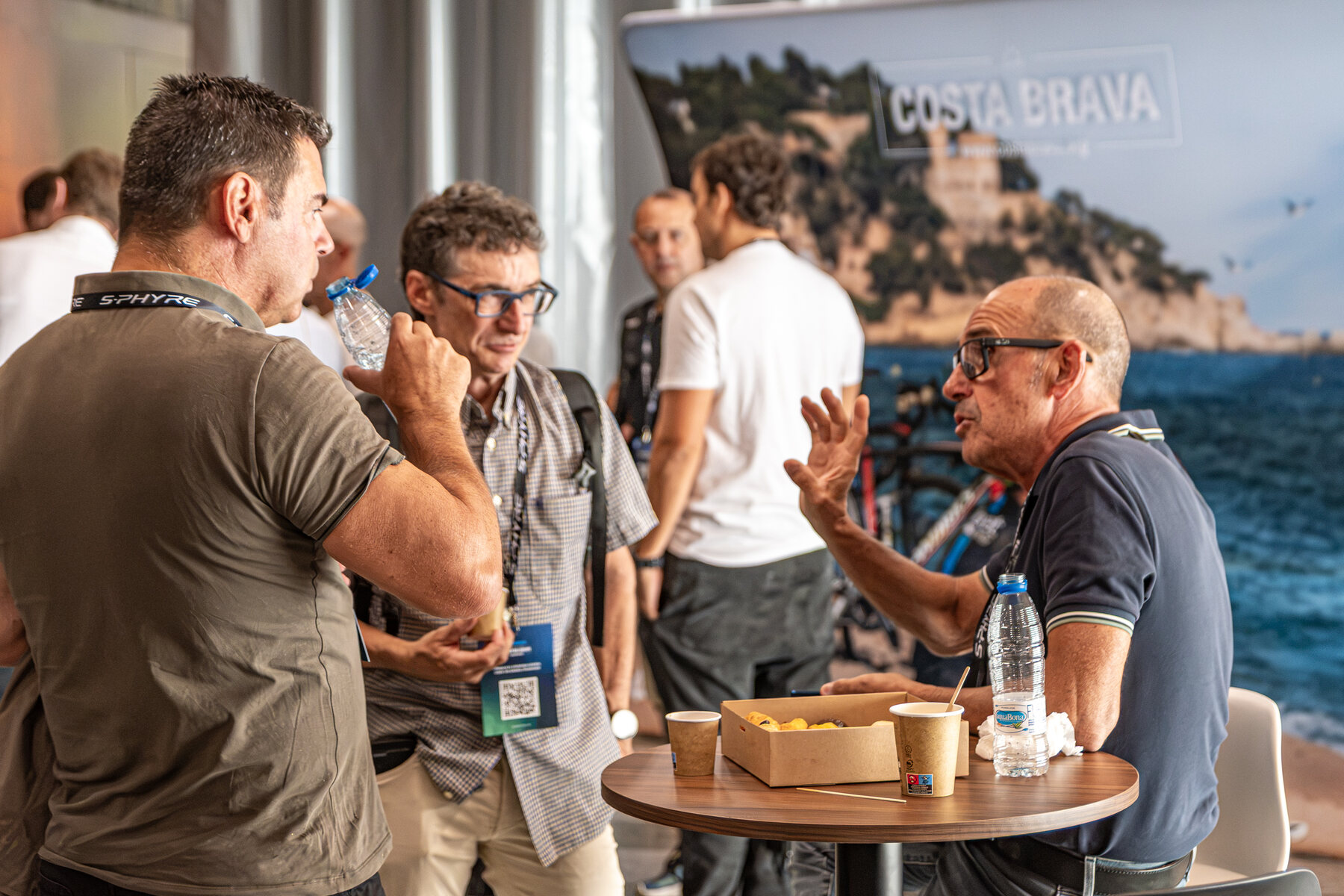
Cycling industry professionals in conversation at Sea Otter Europe
Commercial and operational health check

What is holding back your shop’s performance?

A bike shop can increase revenue and still make less money. These questions help identify whether the constraint sits in the cost base, workshop, buying, market position or execution capacity.

  1. Is revenue growing while overhead and payroll are growing faster?
  2. Is the business overly exposed to one brand, category or revenue stream?
  3. Do you have a clear growth strategy that protects margin and controls risk?
  4. Is the workshop correctly staffed, scheduled and billing its available capacity?
  5. How much management time is absorbed by administration instead of higher-value work?
  6. Do buying and inventory decisions balance availability, stock turn, working capital and obsolescence risk?
  7. Are supply, logistics or delivery issues undermining productivity and the customer experience?
  8. Are you relying on price and discounting to compete with online players and larger retailers?
  9. Does commercial effort translate into gross margin, repeat business and customer lifetime value—or simply more workload?
  10. Do you have the time, ownership and priorities required to develop marketing, e-commerce and demand generation?
The whole business

Six performance levers, managed together

Management information becomes valuable when it is connected with what happens on the sales floor, in the workshop, in the stockroom and across the team.

Commercial

Sales and gross margin

Conversion, average transaction value, attachment rate, discount discipline and margin by category.

Operations

Workshop performance

Labour utilisation, billed hours, labour rate, workflow, quality and technical upsell.

Working capital

Inventory and buying

Stock turn, aged inventory, preseason commitments, open-to-buy discipline and ERP usage.

Operating model

Accountability and delegation

Clear ownership, coordination and more management time directed towards high-value work.

People

Capability and talent

Capacity planning, KPIs, incentives, development, retention and specialist recruitment.

Management cadence

Useful performance reviews

Clear management information and a review rhythm matched to the size and needs of the business.

Professional bicycle technician working in a workshop
Practical example

From workshop technician to trusted service adviser

Track labour utilisation, parts attachment, service quality and customer outcomes—and connect contribution to sustainable reward.

  • Billed labour hours and workshop utilisation
  • Parts and service attachment
  • Gross-margin protection
  • Quality and warranty performance
  • Variable reward linked to genuine contribution
Explore the CTC framework

Start with what the business cannot currently explain.

Book a free 15-minute call